In a small, cluttered or heavily rugged home, a good manual vacuum will often do the job better and cost far less.
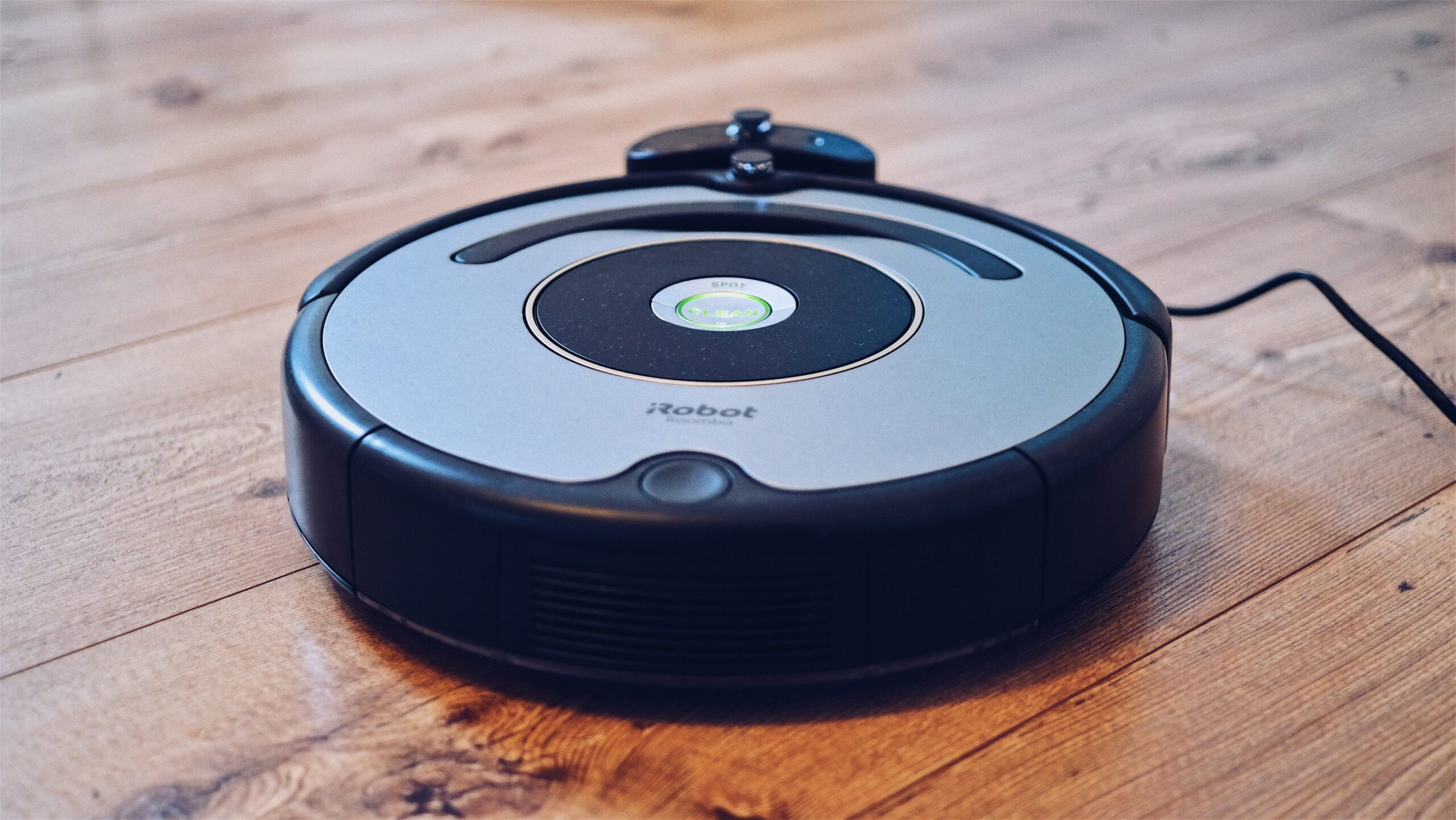
Robot vacuums are one of the most heavily marketed home gadgets, and also one of the most home-dependent — the same model that transforms one household’s cleaning routine will frustrate another’s within a week. Before buying one, it’s worth honestly mapping your home against what robot vacuums are actually good at, rather than assuming the marketing applies to your floor plan.
What robot vacuums are genuinely good at
Open floor plans with hard flooring or low-pile carpet, minimal furniture clutter, and a household that can commit to routine maintenance — these are the conditions robot vacuums handle well. In this kind of home, a robot vacuum genuinely reduces daily cleaning effort, particularly for pet hair and dust on hard floors.
Where they consistently struggle
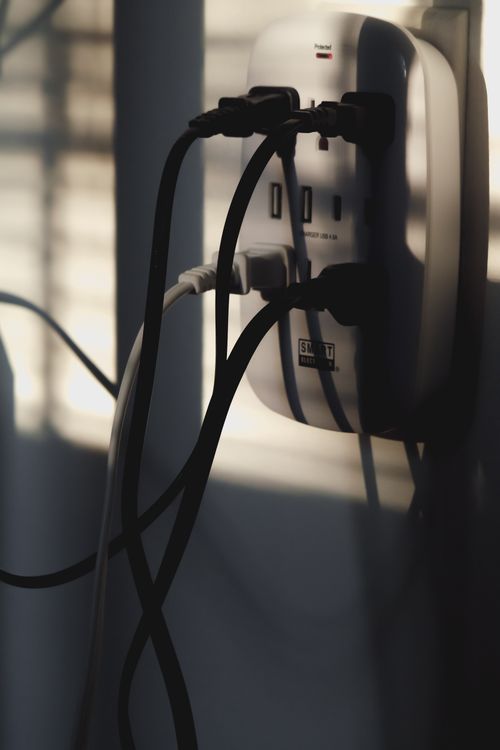
Cables and cords are the most common real-world complaint — a robot vacuum will get tangled in phone chargers, lamp cords, and cable management setups far more often than manufacturer photos suggest. Thick or high-pile rugs can stall lower-powered models or get their edges chewed into the brush roll. Furniture with narrow legs or low clearance can trap a robot vacuum mid-cycle. And multi-level homes need either a vacuum per floor or manual carrying between levels, which quietly undermines the “hands-off” appeal.
The maintenance time nobody mentions in reviews
A robot vacuum needs its bin emptied, brush roll cleared of hair, and sensors wiped regularly — weekly at minimum for a household with pets. Skipping this maintenance is the single biggest reason people stop using a robot vacuum within a few months of buying one. Before buying, honestly assess whether you’ll keep up with that maintenance, because a neglected robot vacuum performs worse than no vacuum at all.
The cost comparison that actually matters
A capable robot vacuum typically costs several times what a good manual or stick vacuum does. For a small apartment with simple floors, a well-chosen manual vacuum can do the job in the time it takes to walk the space, at a fraction of the cost and with none of the cable-tangling or maintenance overhead. The case for a robot vacuum gets stronger as square footage increases and as the number of daily-life hours available for manual cleaning shrinks.
Common mistakes to avoid
- Buying without walking your home and counting cable hazards and low-clearance furniture first.
- Assuming a higher price guarantees fewer navigation problems — check for LIDAR or camera-based mapping specifically, not just suction power.
- Skipping the maintenance routine, which quietly ends most robot vacuum ownership within months.
- Buying for a small, simple-floor apartment where a manual vacuum would do the same job for less.
What to check before you buy
Walk your home and count how many cables, rugs with tassels, or low-clearance furniture pieces sit on your main floor. Two or fewer, and a robot vacuum is a reasonable fit. More than that, and either a cable-management pass beforehand or a manual vacuum will likely serve you better.
Keep reading: Renter-Friendly Smart Home Gadgets That Don’t Need a Landlord’s Permission.