From December to February the days are short and mild, and the mornings and nights are properly cold. This plan uses that rhythm instead of fighting it.
Most guides to Jaipur in winter are the same list of forts with a line that says “dress in layers”. That skips what actually shapes a December or January trip: the sun rises after 7 am and sets before 6 pm, the big forts open later than you might hope, two different ticket systems cover different monuments, and the temperature can move about 15°C between breakfast and mid-afternoon.
This is a two-day plan built around those facts, for a first visit with a cab for the Amer side. Timings and fees change, so treat every rupee figure and opening hour below as a planning number and check it before you pay.
When is winter in Jaipur, really?
The India Meteorological Department’s climate note for Jaipur treats December, January and February as the winter season, with January the coldest month. It describes winter days as cool and pleasant and the nights as very cold, with fog on a few mornings. These are IMD’s 1991–2020 station normals for Jaipur:
| Month | Average low | Average high | Rainy days | Fog days |
|---|---|---|---|---|
| November | 14.4°C | 29.6°C | 0.2 | 0 |
| December | 9.9°C | 25.1°C | 0.3 | 1.2 |
| January | 8.4°C | 22.5°C | 0.6 | 2.5 |
| February | 12.0°C | 26.1°C | 0.9 | 0.4 |
Rain is rare, so leave the umbrella at home. And an average low is only an average: IMD counts about six cold-wave days in a normal season, and the record lows are 0.0°C in December and −2.2°C in January. Check the forecast the night before an early start.
How a winter day is timed
Daylight is the real constraint. These are timeanddate’s figures for Jaipur this season:
| Date | Sunrise | Sunset | Daylight |
|---|---|---|---|
| 1 December 2026 | 6:58 am | 5:33 pm | 10 h 35 m |
| 22 December 2026 | 7:11 am | 5:38 pm | 10 h 27 m |
| 13 January 2027 | 7:17 am | 5:53 pm | 10 h 36 m |
| 1 February 2027 | 7:12 am | 6:08 pm | 10 h 56 m |
| 28 February 2027 | 6:52 am | 6:26 pm | 11 h 35 m |
In practice, the coldest stretch is around sunrise and the warmest is mid-afternoon. In December, be on a rampart or rooftop by about 4–4:30 pm for sunset, and put lunch and a rest at midday.
Sunrise and sunset: where to stand
Sunrise: Hawa Mahal from the street
The simplest sunrise stop is free: stand opposite Hawa Mahal’s street façade with a cup of chai as the old city wakes up. The monument opens later (9 am is the commonly listed time). For a seat and a hot drink with the view, try a rooftop café opposite; our five Jaipur cafés post has a few places worth the coffee.
Amer is not a sunrise fort
Amer Fort does not open at dawn. Rajasthan Tourism lists 8:00 am to 5:30 pm (some pages report earlier), so check the portal the day before. Being at the gate at opening is the winning move: soft light, quiet courtyards, no tour coaches yet.
Nahargarh: better for sunset than sunrise
Nahargarh Fort’s hours are commonly listed as about 10 am to 5:30 pm, so the interior is not a sunrise option; some guides suggest viewpoints along the hill road instead, but it is isolated before dawn, so go with a driver. Sunset is the better use of Nahargarh. December sunsets (about 5:33–5:40 pm) sit close to the reported closing time, so arrive by 4 pm and ask at the gate how late you can stay.
The 2-day winter plan
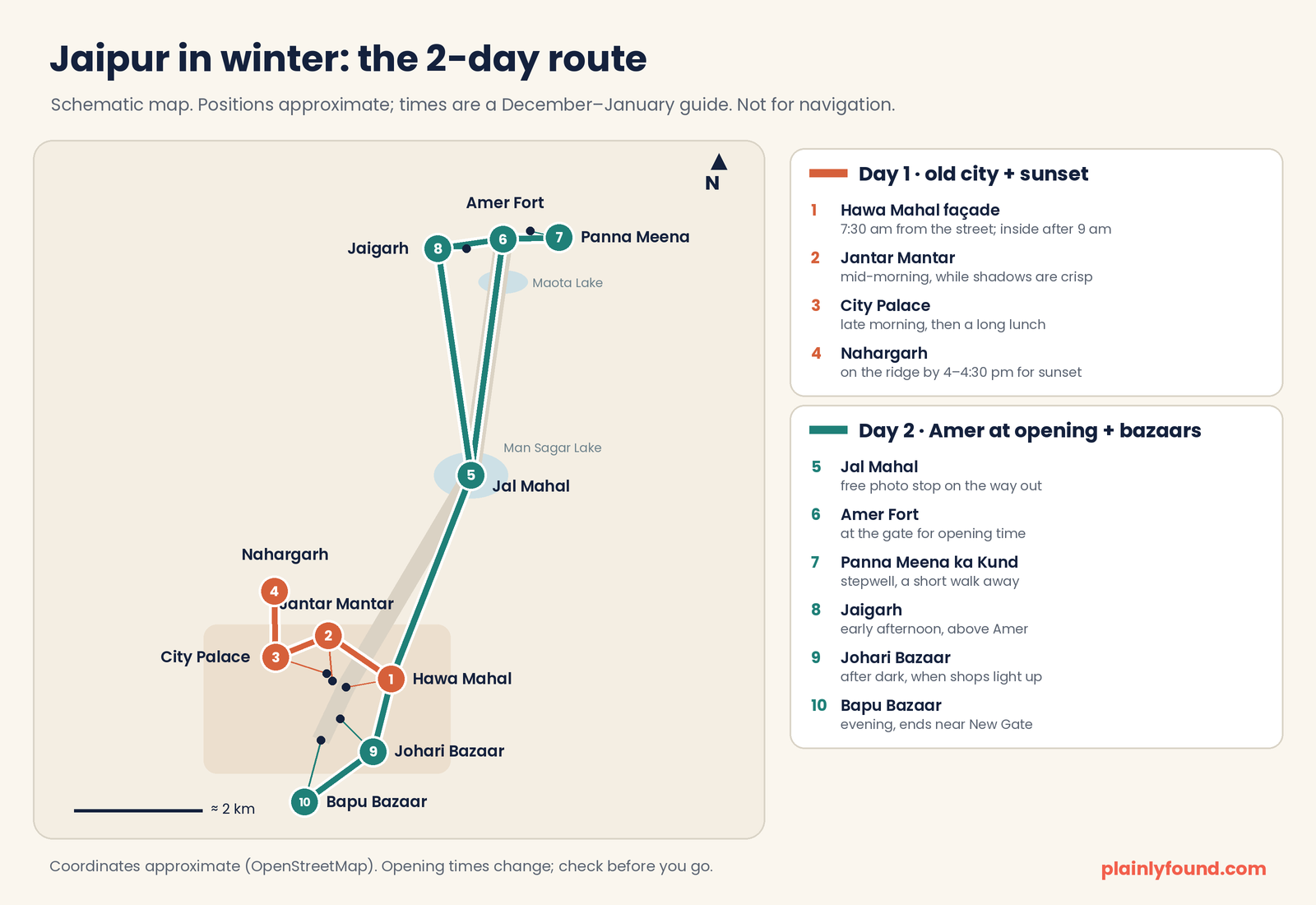
Day 1: old-city core, then Nahargarh for sunset
- 7:15–8:30 am: Hawa Mahal façade from the street, chai nearby. Wear your warm layer; this is the cold end of the day.
- 9:00–10:00 am: Inside Hawa Mahal, then the short walk to Jantar Mantar while the shadows on the instruments are crisp.
- 10:30 am–1:00 pm: City Palace (opens 9:30 am). Allow 90 minutes to two hours.
- 1:00–3:30 pm: Long lunch and a rest. This is the warm part of the day; shed the sweater.
- 4:00 pm–sunset: Nahargarh, by cab up the hill road. Watch the light go over the city, then head down.
Prefer the old city’s lanes on foot? Use our slow walking route through Jaipur’s old city for Day 1 instead.
Day 2: Amer at opening, then the bazaars after dark
- 7:30 am: Leave the city. Stop briefly at the Jal Mahal promenade on Amer Road; the palace is viewed across the lake and the promenade is free.
- 8:00–10:30 am: Amer Fort at opening. Walk up the ramp or take a jeep. Skip the elephant ride: it is a separate cost and raises welfare concerns.
- 10:45–11:15 am: Panna Meena ka Kund, the stepwell a short walk from Amer; no ticket is commonly reported.
- 11:30 am–1:30 pm: Jaigarh Fort on the ridge above Amer (open 9 am to 6:30 pm, per its own site).
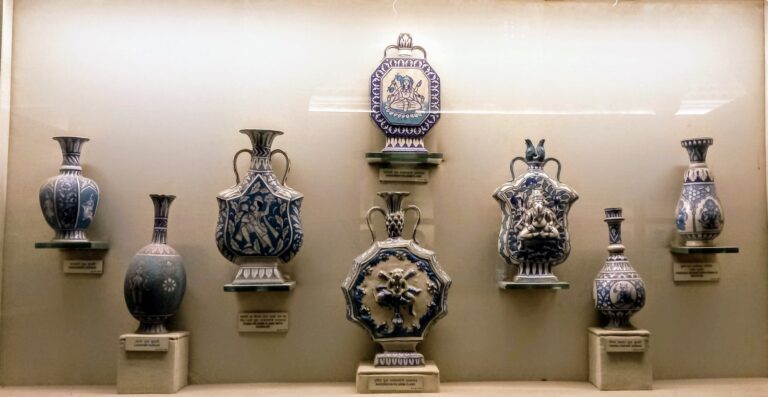
- Afternoon: Lunch, rest, or Albert Hall Museum.
- 6:00–8:30 pm: Johari, Bapu and Tripolia bazaars once the shops light up.
Want a third day? Use it for museums at a slower pace, or a day trip out of the city; our weekend getaways from Jaipur guide covers Abhaneri’s stepwell, Bhangarh and Pushkar.
Tickets: two systems, two composites
Two unrelated operators sell Jaipur’s tickets, and both call their bundle a “composite”. The government ticket, sold through the OBMS portal and at counters, covers state-run sites such as Amer, Hawa Mahal, Jantar Mantar, Nahargarh and Albert Hall. City Palace is run by the royal family’s museum trust, which sells its own tickets; its composite adds Jaigarh and the royal cenotaphs at Gaitore.
| Ticket (adult) | Indian | Foreign | Status |
|---|---|---|---|
| Amer Fort | ₹200 | ₹1,000 | Commonly reported after the 1 Jan 2026 revision; check at the counter |
| Hawa Mahal, Jantar Mantar, Nahargarh, Albert Hall (each) | ₹100 | ₹600 | Commonly reported; check at the counter |
| Government composite | ₹550 | ₹1,700 | Commonly reported; check validity and included sites on OBMS |
| City Palace museum | ₹400 | about ₹1,200 | Indian rate from citypalace.org; foreign rate commonly reported |
| City Palace composite (+ Jaigarh, cenotaphs) | ₹500 | about ₹1,700 | Indian rate from citypalace.org; foreign rate commonly reported |
Some pages still show the older Amer rate (₹100 / ₹500). The maths for this plan:
- Indian adult: Amer, Hawa Mahal, Jantar Mantar and Nahargarh bought singly come to about ₹500, which is less than the ₹550 composite. The composite only pays off once you add Albert Hall or other included sites.
- Foreign adult: Amer, Hawa Mahal and Jantar Mantar alone come to about ₹2,200, so the ₹1,700 composite wins.
- City Palace: if Jaigarh is on your Day 2, the trust’s composite costs ₹100 more than the museum ticket for Indian adults and includes Jaigarh, which is ₹200 on its own (Jaigarh’s site).
Evening bazaars, after the light goes
Winter evenings suit Johari, Bapu and Tripolia bazaars: shops lit, air crisp, walking easy. It is also when the shops drivers steer you to get busiest. Our Jaipur shopping guide covers where locals buy, what to pay and how to spot fakes. For dinner, try winter-friendly classics such as pyaaz kachori, mirchi bada and dal baati churma; our Jaipur street food guide has the where.
What to pack for a 15°C swing
Dress for the mild afternoon and carry warmth for the cold ends of the day. You do not need several sets of thermals.
- Base: T-shirt, shirt or kurta and long trousers.
- Warm layer: a sweater plus a light padded jacket or a thick shawl, easy to take off at noon.
- Thermal top: one thin one, only if you will be out before 8 am in late December or January, or sitting outdoors at night.
- Feet: closed walking shoes and socks; Amer and Nahargarh mean ramps and uneven stone.
- Sun and dry air: sunglasses, sunscreen and lip balm. Skip the heavy coat and umbrella.
- Bad-air mornings: a well-fitting N95-type mask.
For the bag itself, see our guide to a carry-on backpack for a 3-day trip and the practical carry-on packing list.
Winter practicalities
- Crowds: Christmas to New Year and mid-January are the busiest weeks. Book rooms early and be at the gates at opening.
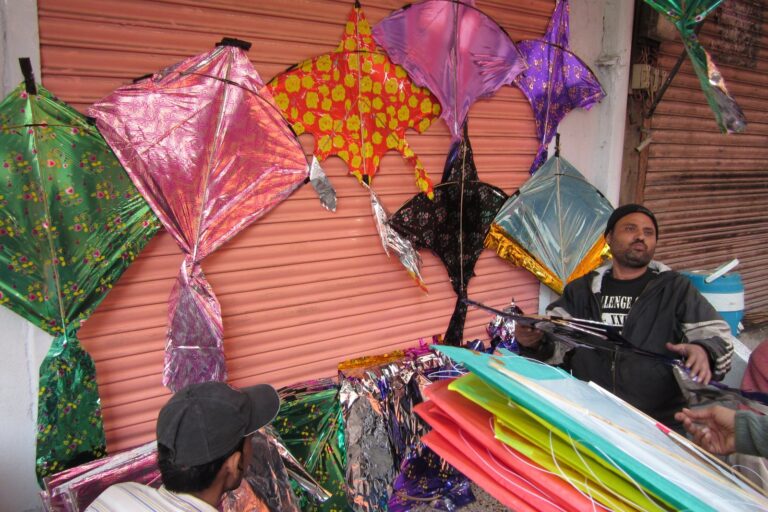
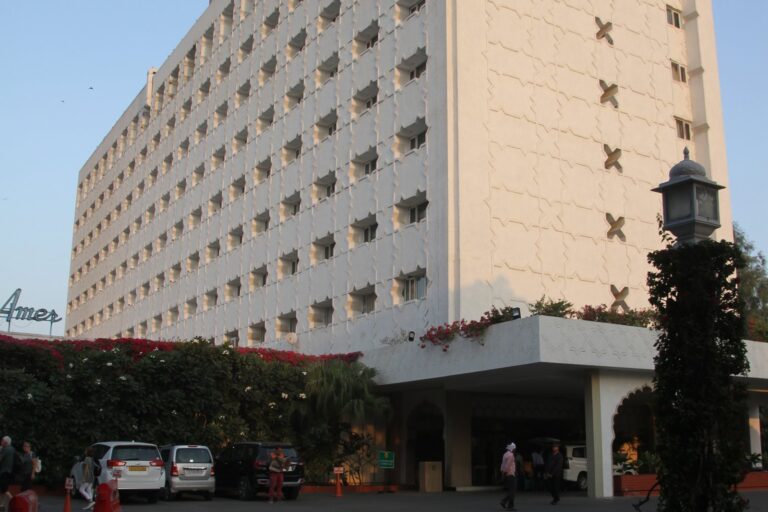
- Festivals: the Jaipur Literature Festival runs 14–18 January 2027 at Hotel Clarks Amer (per the festival’s site), and Makar Sankranti brings rooftop kite flying in mid-January. Both push up room prices.
- Fog: foggy mornings across North India can delay early trains and flights, so keep your arrival morning flexible.
- Air quality: November to February is smog season in North India. Check the AQI the night before a sunrise plan. If you live in a smoggy city, our air purifier guide and filter replacement guide cover the home side.
- Hot-air balloons: a winter splurge near Amer; get a live rupee quote and check fog cancellation terms.
FAQ
Is winter the best time to visit Jaipur?
For walking forts and bazaars, yes: IMD’s normal January high is about 22.5°C and rain is rare. It is also peak season, so book rooms early and arrive at monuments when they open.
Are two days enough for Jaipur in winter?
Two days covers the old-city core, Nahargarh at sunset and Amer with Jaigarh. Add a third day if you want museums at a slower pace or a day trip.
Does the Jaipur composite ticket include City Palace?
No. The government composite covers state-run sites such as Amer, Hawa Mahal, Jantar Mantar, Nahargarh and Albert Hall. City Palace sells its own tickets, and its composite adds Jaigarh and the Gaitore cenotaphs.
What time does Amer Fort open in winter?
Rajasthan Tourism lists 8:00 am to 5:30 pm, but some pages report an earlier opening. Check the official portal the day before and be at the gate at opening.
Bottom line
For Jaipur in winter, plan around the light: gates at opening, a long lunch, the last hour on a ridge, bazaars after dark. Pack for a 15°C swing, decide which composite (if any) you need, and check prices the night before.
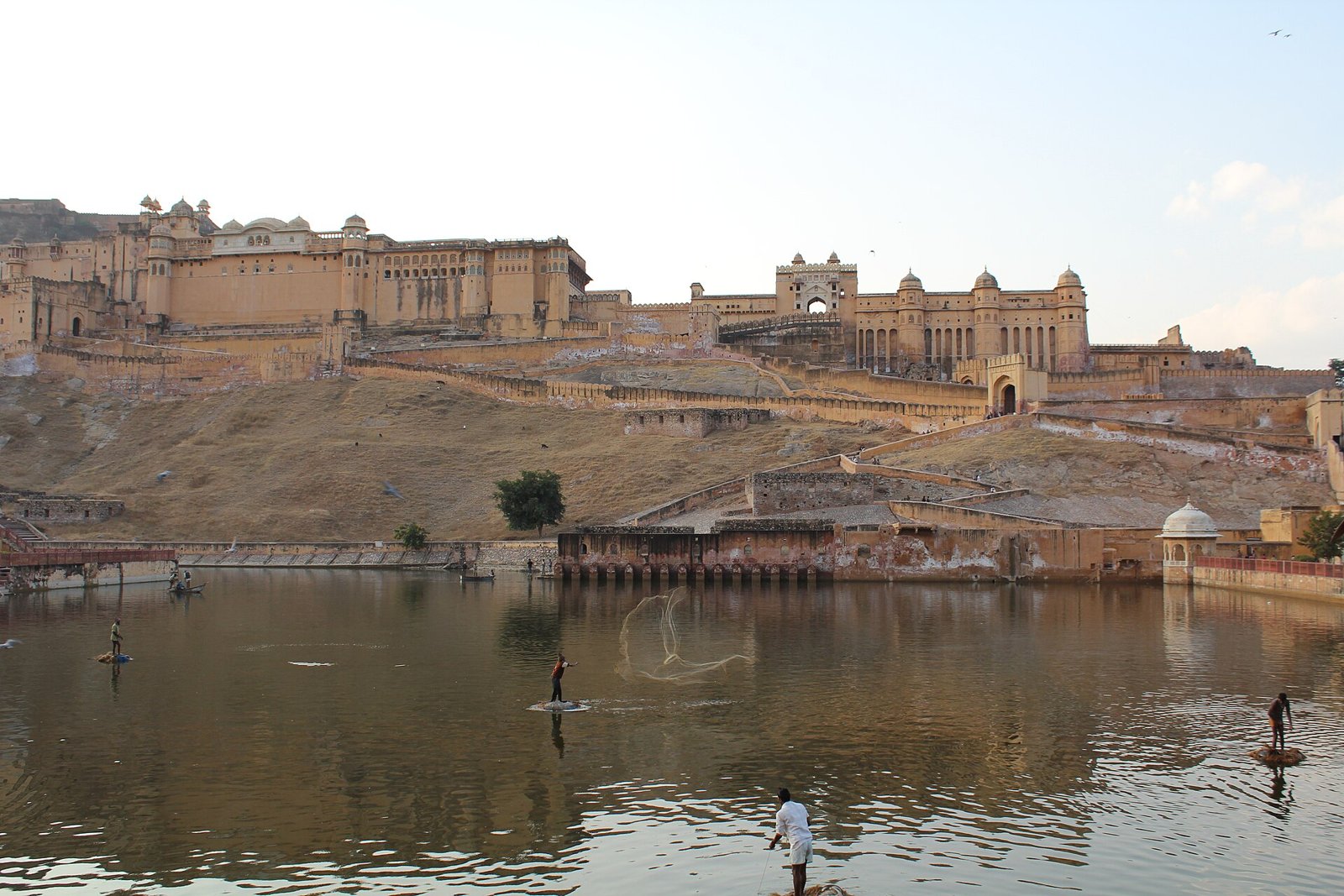
Sources: IMD Jaipur climate note and 1991–2020 station normals; timeanddate sunrise and sunset tables for Jaipur; citypalace.org and jaigarh.co ticket pages; Jaipur Literature Festival website; Rajasthan Tourism and OBMS listings via commonly reported 2026 rates. Featured photo: Amer Fort and Maota Lake, Jaipur, December 2012, by Arian Zwegers, via Wikimedia Commons, licensed CC BY 2.0; resized.