Wash the pre-filter every 2–4 weeks (weekly around Diwali), check carbon when smells come back, and run a simple timed PM2.5 test each month. If the room takes much longer to clear than it used to, the filter is done, even if the indicator still says OK.
For a few weeks the PM2.5 number dropped fast. Then November arrived, and now the fan runs on high all evening and the reading falls more slowly. Is the filter finished, or is something else wrong?
This is the follow-up to our guide to choosing an air purifier for an Indian apartment. That post covers CADR, room size and which machine to buy. This one covers the filter you already have: what each stage does, how long it lasts in Indian smog, a home test and what replacements cost in November 2026. It draws on brand pages (Xiaomi, Philips, Samsung, Coway, Eureka Forbes, Dyson), guides from bestpurifier.in, The Grandeur and Mint, and the US EPA’s guide to air cleaners in the home, which puts it simply: all filters need regular replacement, and a dirty, overloaded filter won’t work well.
Three stages: which to clean, which to replace
Most purifiers stack up to three layers, as separate panels or one combined cartridge. Each wears out differently.
| Stage | What it catches | Clean or replace? | Typical interval |
|---|---|---|---|
| Pre-filter (mesh) | Hair, lint, coarse dust | Clean: vacuum or rinse, dry fully | Every 2–4 weeks; Samsung says every 2 weeks if run 24 hours a day |
| HEPA / particle filter | PM2.5, fine dust, pollen, smoke particles | Replace. Never wash unless the maker says it is washable | Often rated 6–12 months; some up to 2–3 years |
| Activated carbon | Odours and some gases | Replace | Check from about 3–6 months; designs vary |
| Combined cartridge | All of the above in one unit | Replace the whole unit | Follow the indicator or hour rating, and replace when either job fails |
Samsung India’s support page is clear: only the pre-filter is washable. Rinsing a HEPA filter to “save” it usually ruins it.
How long a HEPA filter really lasts in smog season
Rated life assumes moderate pollution. Xiaomi says to replace its Smart Air Purifier 4 filter every 6–12 months, and Philips gives about 12 months as an average for its filters. A few are rated far longer: Philips lists the FY2200/30 NanoProtect filter (for its 2200 series) at up to 3 years. Eureka Forbes says some of its filters can last up to 24 months, depending on use and air quality.
Smog changes the maths. bestpurifier.in puts real HEPA life in high-AQI cities at about 4–12 months and combined cartridges at 4–8 months. It also says to expect a third to a half of the rated life in Delhi, Ghaziabad or Noida winters. Mint’s Delhi guide suggests changing HEPA twice a year there and carbon every 3–6 months. Milder-winter cities such as Hyderabad or Bengaluru should get closer to the rated life.
Hours, not months
Some brands rate filters in hours. Coway’s Airmega 150 set is rated at 8,500 hours, which The Grandeur works out to about 11.6 months running 24 hours a day, or about 35 months at eight hours a day. That conversion ignores how dirty your air is, so in smog treat it as an upper limit.
Is it still working? A simple home test
The filter-change light is a rough guide. The Grandeur notes some indicators are simple timers and others estimate from running hours, fan speed or air quality; none directly measures how well the filter still works. bestpurifier.in calls a slowing PM2.5 drop in a closed room the most reliable sign. Make it a repeatable test:
- Use the same room with the door and windows closed.
- Pick one fan speed (not auto) and always use it.
- Start from a similar indoor PM2.5 reading, such as after the evening spike.
- Time how long it takes to reach a chosen target, say half the starting number. Note it and repeat every few weeks.
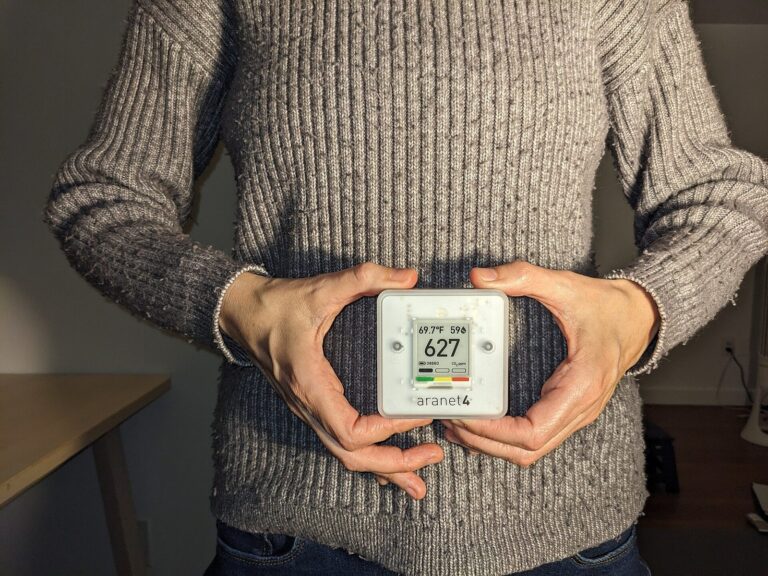
If the time keeps getting longer, the filter is loading up. It’s a rough comparison, not a lab CADR test. The purifier’s own (clean) sensor will do; a separate home AQI monitor gives a second opinion, and we’ll cover how accurate cheap ones are in a later guide.
Other warning signs
- Weaker airflow at the outlet on the same speed setting.
- Auto mode stuck on high long after the room should have cleared.
- A musty smell, which bestpurifier.in links to a damp or biologically loaded filter. Replace it even if it’s young.
- Cooking or smoke smells returning: usually spent carbon, which can look clean.
- Grey pleats show loading, but a filter can be finished before it looks dirty.
Before buying a filter, rule out cheap fixes: clean the pre-filter and sensor, close windows, clear the inlet, and check the room isn’t too big for the unit.
A smog-season filter calendar
- Before Diwali: deep-clean the pre-filter, wipe the PM2.5 sensor with a dry cotton bud, note the install date and run a baseline timed test.
- Diwali and after: Mint suggests a weekly pre-filter clean in the festive season. Retest once the worst smoke has passed.
- November to February: filters load fastest in this stretch in North India. Test monthly and keep a spare filter at home, since popular filters can go out of stock in winter (the Philips FY2200/30 was out of stock on the Philips site on 8 November).
- Every 2–3 months: clean the sensor (Mint says every two months). A dusty sensor reads high and makes auto mode work harder.
- Monsoon: if damp makes the filter smell musty, replace it.
How to change the filter safely
- Switch off and unplug the purifier.
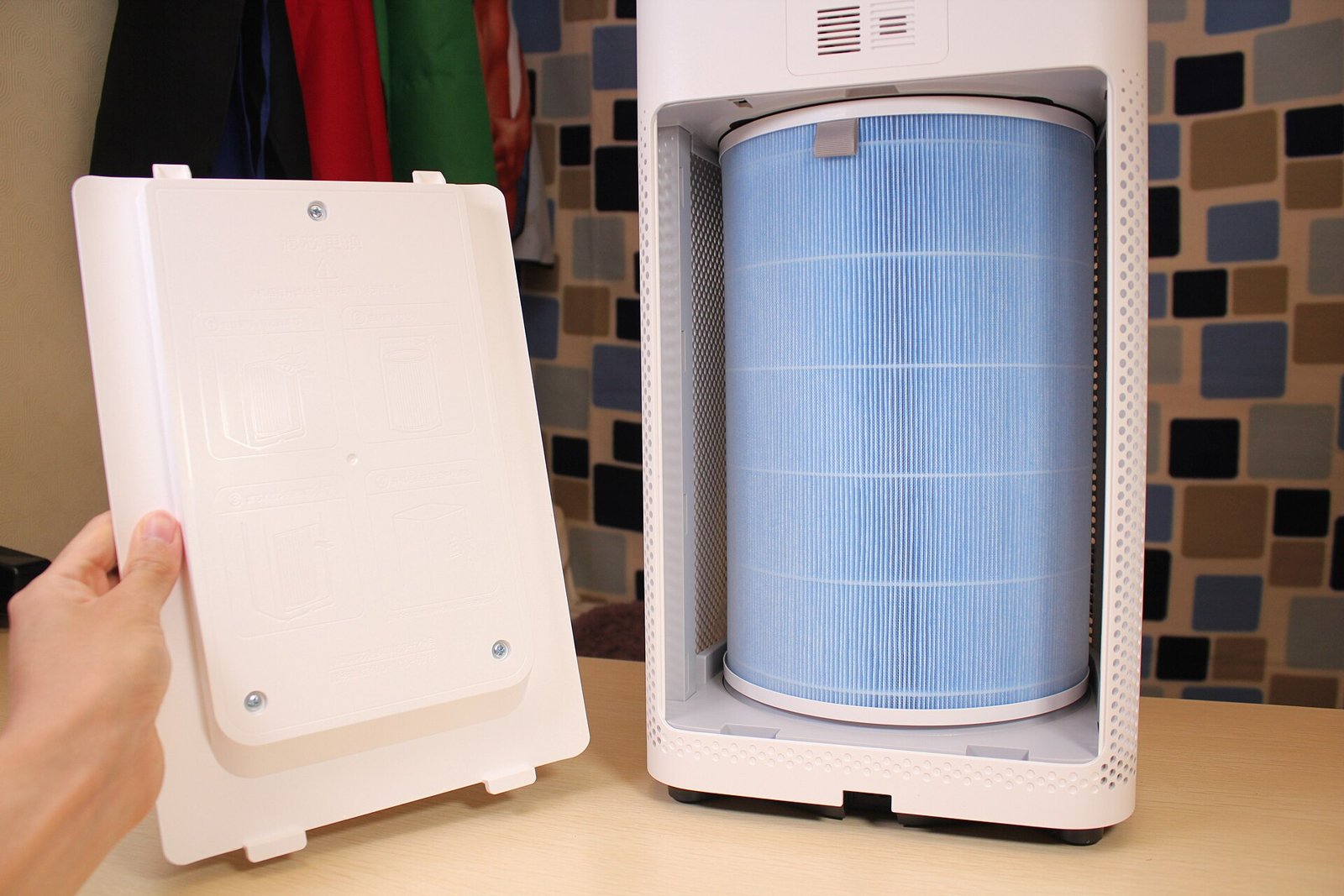
- Lift the old filter out gently, ideally on a balcony, and bag it before binning so the dust doesn’t shake back into the room.
- Remove all plastic wrapping from the new filter, as Samsung reminds owners.
- Fit it the right way round, check the seal sits evenly and close the panel fully. Any gap lets air bypass the filter.
- Reset the indicator as your manual says (Samsung uses a 3-second Filter button press) and note the date.
What replacement filters cost (November 2026)
These are approximate prices from brand websites, checked on 8 November 2026. Sale prices change often and stock goes up and down in winter.
| Filter | Approx. price | Rated life / note |
|---|---|---|
| Xiaomi Smart Air Purifier 4 filter | ₹3,499 | 6–12 months (mi.com) |
| Philips FY0900/30 (AC0920 / AC0950) | From ₹2,370 | Philips filter finder |
| Philips FY0910/30 (PureProtect Mini) | ₹2,995 | Philips filter finder |
| Philips FY2200/30 (2200 series) | ₹4,900 (MRP ₹5,495) | Up to 3 years; out of stock on the Philips site on 8 Nov |
| Eureka Forbes integrated filter, AP 150 | ₹999 (MRP ₹1,645) | eurekaforbes.com |
| Eureka Forbes integrated filter, AP 500 Smart | ₹3,999 (MRP ₹9,249) | eurekaforbes.com |
| Dyson 360° Glass HEPA + Carbon | ₹4,990 | Dyson suggests every 12 months (dyson.in) |
For a yearly budget, bestpurifier.in estimates about ₹2,000–₹6,500 per purifier, from Xiaomi (about ₹1,800–₹2,500) up to Coway (₹4,000–₹5,500) and Dyson (₹5,000–₹6,500). Mint suggests ₹2,000–₹10,000 a year if you run more than one unit.
Genuine or third-party filters?
Compatible filters are cheaper and plentiful for popular models like Xiaomi, but the seal decides whether they work. bestpurifier.in and The Grandeur both warn that a filter with the right size but a poor gasket lets air leak around it. Mint and the brands advise genuine filters. A sensible middle path:
- For cheap, high-volume models, a well-reviewed compatible is a fair risk; check the edges seal when fitted.
- For premium machines such as Dyson, or Philips’ long-life filters, buy genuine.
- Skip “HEPA-type” or “universal” labels; look for a named grade such as H13.
- Before buying any purifier, confirm its exact filter ships to your pin code.
Habits that make a filter last longer
bestpurifier.in suggests keeping windows shut when outdoor AQI is above about 150, since outside air then just loads the filter. CPCB’s Sameer app gives outdoor levels, but indoor PM2.5 where you sleep is what counts. A purifier and an open window don’t mix, which is why a desert cooler and a purifier can’t share a room (see our cooler vs AC guide).
Tadka, incense, dhoop and mosquito coils all add particles, so use the kitchen exhaust and burn less near the purifier. Run auto rather than turbo all day. A purifier removes particles, not stale air, so the slight-airflow advice in our room heater guide still applies. If power cuts stop the purifier in evening smog, our inverter sizing guide shows how to add it to your backup load.
FAQ
When should I replace my air purifier filter?
When the maker’s limit or the indicator is reached, or sooner if a timed PM2.5 test in a closed room shows the room clearing much more slowly, airflow drops or a musty smell appears. Many filters are rated 6 to 12 months; in Delhi-NCR winters bestpurifier.in suggests expecting a third to a half of that.
Can I wash a HEPA filter to make it last longer?
No, unless the manufacturer says it is washable. Water damages HEPA media. Only the mesh pre-filter is usually washable: clean it every 2 to 4 weeks, or weekly around Diwali, and dry it fully.
Does resetting the filter indicator mean the filter is fine?
No. Many indicators are timers or estimates from running hours and fan speed. Resetting changes the counter, not the filter, so reset only after fitting a new one.
How much do air purifier filters cost per year in India?
About ₹2,000 to ₹6,500 a year for one purifier, per bestpurifier.in. On 8 November 2026 brand sites listed ₹999 for the Eureka Forbes AP 150 filter, ₹3,499 for Xiaomi’s Smart Air Purifier 4 filter and ₹4,990 for a Dyson HEPA plus carbon filter.
Bottom line
Clean the pre-filter every 2–4 weeks (weekly around Diwali). Expect a HEPA or combined filter to fall short of its rated life in a North Indian winter, and judge it by a timed PM2.5 test, airflow and smell, not the indicator alone. When you swap it, unwrap the new one, check the seal and reset the counter.
Photo: GEEK KAZU, Wikimedia Commons, CC BY 2.0. Filter prices checked on brand websites on 8 November 2026 and will change. Replacement intervals are manufacturer guidance and published estimates, not our own lab tests.