A single under-blanket draws roughly 50 to 70 W, a double about 100 to 150 W. Buy one with overheat protection and an auto-off timer, look for the ISI mark (compulsory for electric blankets since 1 October 2026), use it flat under the sheet, and preheat the bed rather than sleeping on high. Expect to pay about ₹950 to ₹1,500 for a single and ₹2,400 to ₹3,900 for a double.
On a cold night the bed is often the coldest thing in the room. The usual fix is a heater running for hours, a big electricity bill and air so dry you wake up with a sore throat. An electric blanket, or bed warmer, takes a different approach: it warms the mattress you are lying on, not the air around you.
This guide compares an electric blanket vs room heater on safety, power use and running cost, and explains when a bed warmer is the better buy. It also covers what changed with BIS rules this year and what to check before buying. It’s based on BIS documents, safety-body guidance, manufacturer manuals and retailer listings checked in November 2026, not hands-on testing.
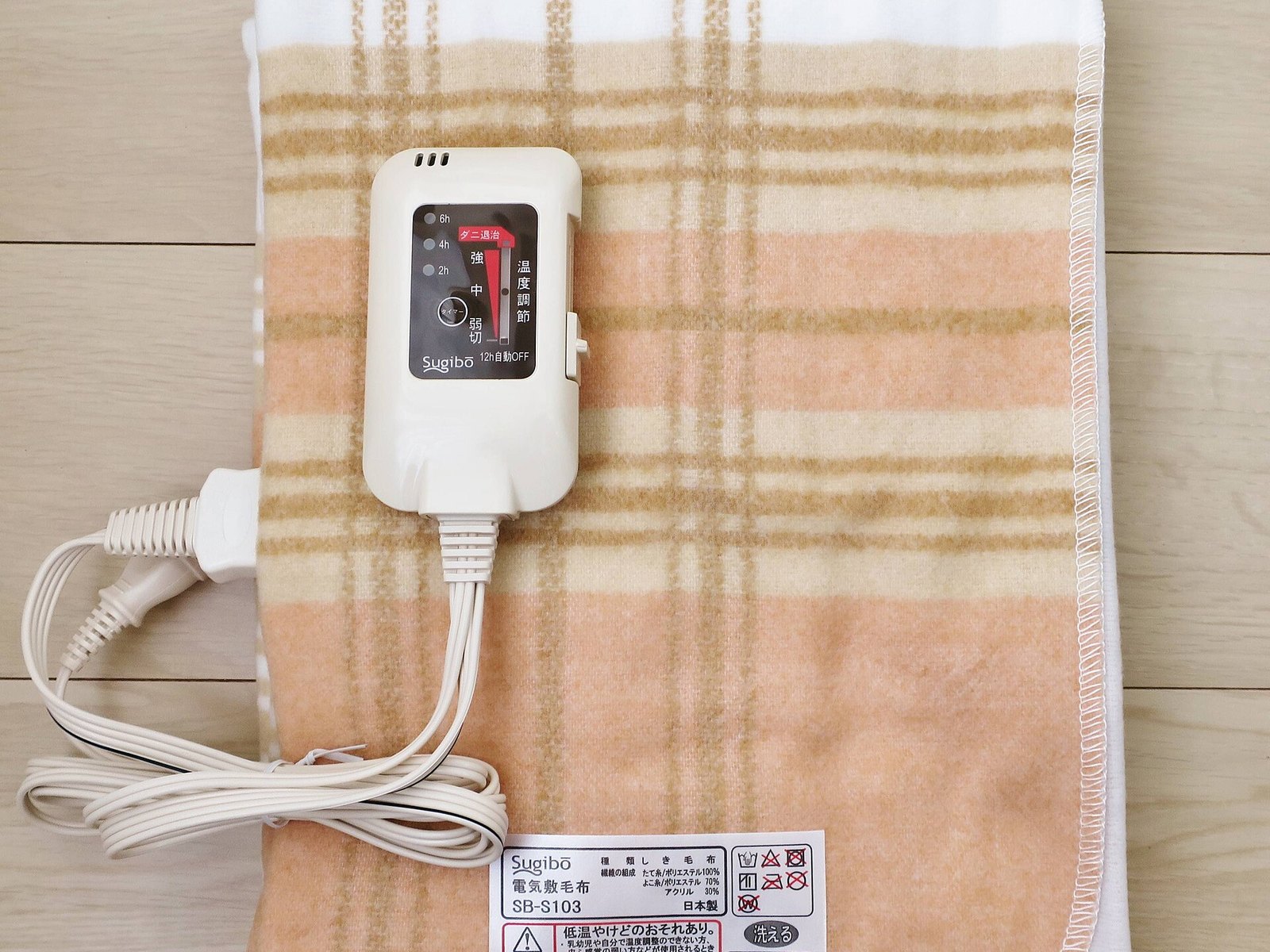
Blanket or heater: what each one actually warms
A heater warms the air in the room, and that warmth leaks out through windows, doors and walls, so it has to keep running. A blanket warms the bed and the person in it, which is a much smaller space to heat. That’s the whole reason one costs a few rupees a night and the other costs fifty or more.
So the question isn’t which is “better”. It’s what you need warm:
- A blanket is enough if you go to bed, sleep and get up, and a cold bed is the main problem.
- A heater is the right call if you sit up reading or working, change clothes in the room, or if young children or elderly family members move around the room at night. Our room heater guide explains why an oil-filled heater with a thermostat is the safer choice for a closed bedroom.
- Both works well in very cold rooms: run the heater for the evening, switch it off at bedtime, and let the blanket keep the bed warm.
| Electric blanket | Room heater | |
|---|---|---|
| What it warms | The bed and you | The air in the room |
| Typical power | About 50 to 150 W | About 1,000 to 2,000 W |
| Socket | Any ordinary 6A socket | 16A socket for most |
| Dries the air? | No | Fan, halogen and carbon heaters noticeably |
| Runs on a home inverter? | Yes, easily | Usually not |
| Main risk | Folded, damp or worn wiring | Burns, fire near bedding, tipping |
How much power an electric blanket uses
Use this formula with your own bill: watts × hours ÷ 1,000 = units, then multiply the units by your tariff. Rates vary by state and slab, so the table uses ₹7 a unit as an example and assumes full power all night, which is the worst case. Blankets with a thermostat or a timer use less.
| 8 hours at full power | Units | Cost at ₹7/unit |
|---|---|---|
| Single blanket, 60 W | 0.48 | about ₹3.40 |
| Double blanket, 120 W | 0.96 | about ₹6.70 |
| Dual-control double, both sides high (2 × 110 W) | 1.76 | about ₹12 |
| Room heater, 1,000 W, running all night | 8 | about ₹56 |
| Room heater, 2,000 W, running all night | 16 | about ₹112 |
Ratings differ by model. Most singles listed in India are around 50 to 70 W, but some go higher (Heatronics lists 135 W for a single). Doubles are usually 100 to 150 W, and Tapish lists 110 W per side on its dual-control woollen double. If you only preheat the bed for 30 minutes and then switch off, a 100 W blanket uses 0.05 units, well under a rupee.
A thermostat-controlled oil-filled heater won’t run at full power all night in a small, closed room, so its real cost is lower than the table shows. Even so, the blanket comes out far cheaper.
Under-blanket, over-blanket or bed warmer?
Under-blankets (often sold as “bed warmers”) lie on the mattress under your bedsheet, with straps or an elastic band to hold them in place. This is the common type in India and the one most listings mean. You lie on the heat, and your quilt keeps it in.
Over-blankets go on top of you like a regular blanket. They’re less common here, and you shouldn’t pile heavy quilts on top of one unless the manual allows it, because trapped heat is what these products are designed to avoid.
Size an under-blanket to the mattress, not the bedspread. A single is typically around 150 × 80 cm to 150 × 90 cm, and a double around 150 × 150 cm to 150 × 160 cm. It should lie flat with no overhang to fold back. If yours is a soft or memory-foam mattress, check the manual allows it; our mattress guide covers the types.
Safety: who shouldn’t use one, and how to use it
- Overheat protection and auto-off. Shut-off timers on Indian listings range from about 1 to 3 hours up to 12 hours, and some models have overheat protection but no timer at all, so read the spec.
- Never with a hot water bag. Water and a live heating element don’t mix. Don’t use the blanket wet or damp, and dry off fully after a bath.
- Flat, never folded or bunched. Don’t tuck it in tightly, don’t use safety pins to hold it, and don’t put heavy things on it while it’s on.
- Not for infants or toddlers. The international safety standard requires the warning “not to be used by very young children (0–3 years)”.
- Not for anyone who can’t feel heat or work the controls. Beurer’s manual names people with diabetes, scarred skin, and anyone who has taken painkillers or alcohol. If you have diabetes with reduced feeling in your feet, or a pacemaker, ask your doctor first. A safer option is to preheat the bed, then switch off and unplug before getting in.
- Only 230 V India-market models. Don’t run an imported 120 V blanket through a step-down transformer.
Sleeping with it on. Follow your model’s manual. If it says to use it only for preheating, preheat and switch off. If overnight use is allowed, drop to the lowest setting: Beurer’s manual recommends this for use over several hours, to avoid overheating the body. The UK charity Electrical Safety First’s electric blanket advice says to switch it off before bed unless it has an automatic shut-off.
Each winter, before first use, check the fabric, cord, connector and controller. Scorch marks, discolouration, frayed fabric, wires poking through, a buzzing or smelly controller, or rodent damage to the cord all mean it’s time to replace it, not repair it. Electrical Safety First suggests replacing any blanket more than 10 years old, and advises against buying second-hand. Store it rolled or loosely folded, and keep pets off it while it’s switched on.
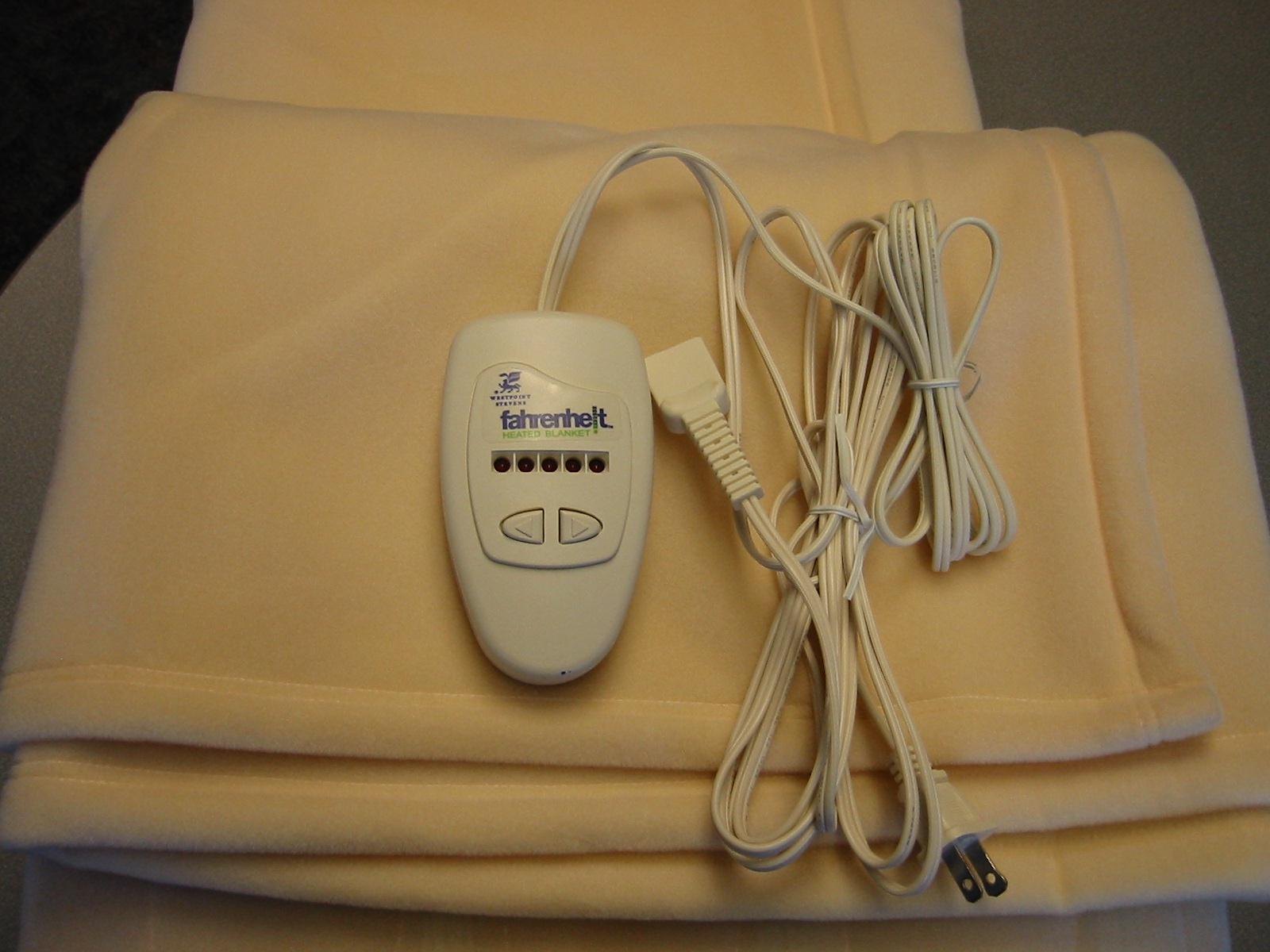
Is the ISI mark compulsory now?
Yes, for most sellers. Under the Safety of Household, Commercial and Similar Electrical Appliances (Quality Control) Order, 2026 (S.O. 1739(E)), “blankets, pads, clothing and similar flexible heating appliances” must meet IS 302 (Part 1):2024 and carry the ISI mark. This applies from 1 October 2026 for most manufacturers, 1 January 2027 for small enterprises and 1 April 2027 for micro enterprises. Certified manufacturers can also sell declared older stock for up to six months.
In practice, that means some unmarked stock will still be on sale this winter. Look for the ISI mark with a CM/L licence number on the product or listing. Where a listing doesn’t show it, ask the seller before you buy.
Buying checklist
- Type: under-blanket for most people.
- Size: measured against your mattress.
- Heat settings: at least 2 to 3, so you can preheat on high and drop to low.
- Auto-off time and overheat cut-off: both stated on the listing.
- Wattage: stated clearly; useful if you’ll run it on an inverter.
- ISI mark and licence number.
- Detachable controller: needed if you want to wash it. Wool warmers often aren’t machine washable.
- Dual controls for couples who like different temperatures.
- Warranty: separately for the heating element and the controller.
- Easy returns: faults often show only once it’s plugged in.
What they cost (November 2026)
| Model | Size and features | Seen at |
|---|---|---|
| Tapish Coral, single | Light, for mild winters | ₹949 |
| Bell Premium, single | Foot and top heat settings | ₹1,420 |
| Utopia Bedding, single | Fur fleece | ₹1,499 |
| Beurer TS 17, single | 150 × 80 cm, 3 levels, machine washable | ₹2,181 |
| WELTHERM, double | Double bed warmer | ₹2,380 |
| Tapish Woollen, double | 150 × 150 cm, 110 W per side, dual remote | ₹2,493 |
| Bell Premium, double | 152 × 152 cm, merino top, dual controls, 4 settings | ₹2,849 |
| Expressions Signature, double | 150 × 160 cm, dual controls, 12-hour auto-off | ₹3,894 |
These are Amazon.in sale prices reported between 5 and 10 November 2026; winter prices change daily. We haven’t confirmed that each model carries the ISI mark, so check the listing or ask the seller before ordering.
Why it suits Indian homes
Power cuts: a 60 to 150 W blanket runs comfortably on a home inverter, while a 2,000 W heater won’t. Our inverter sizing guide shows how to add it to your backup load. Rented flats: it plugs into any 6A socket, so you don’t need a 16A point. Dry winter air: it doesn’t dry the room the way fan and rod heaters do in a Delhi or Jaipur winter. If your room is still dry, see our cool mist vs warm mist humidifier guide.
One limit: a blanket won’t make a very cold bedroom comfortable. You’ll still feel the cold air on your face and when you get up. Warm layers help, and in a really cold room, a heater for the evening is still worth having.
FAQ
Is it safe to sleep with an electric blanket on all night?
Only if the manual for your model allows overnight use. If it does, use the lowest setting and make sure it has overheat protection and an auto-off timer. If the manual says preheat only, warm the bed, then switch off before you sleep.
How much electricity does an electric blanket use?
A single under-blanket typically draws about 50 to 70 W and a double about 100 to 150 W. A 60 W single running for 8 hours uses about 0.5 units, roughly ₹3 to ₹4 at ₹7 a unit.
Is an electric blanket cheaper than a room heater?
Yes, by a wide margin. A 1,000 to 2,000 W heater running all night uses 8 to 16 units, roughly ₹56 to ₹112 at ₹7 a unit, against a few rupees for a blanket. But a blanket only warms the bed, not the room.
Can I use a hot water bag with an electric blanket?
No. Safety bodies advise never combining them, because a leak can bring water into contact with the heating element. Don’t use the blanket if it is wet or damp.
Is the ISI mark compulsory for electric blankets in India?
Yes. Under the BIS Quality Control Order for household electrical appliances, electric blankets must carry the ISI mark from 1 October 2026 for most manufacturers, with later dates for small and micro enterprises. Older declared stock can be sold for up to six months.
Who should not use an electric blanket?
Infants and children under 3, and anyone who can’t feel heat or work the controls, such as people with diabetes and reduced sensation, or someone who has taken painkillers or alcohol. People with pacemakers should check with their doctor first.
Bottom line
If you only need a warm bed, buy an under-blanket sized to your mattress, with overheat protection, an auto-off timer and an ISI mark. A single costs about ₹950 to ₹1,500 and a double about ₹2,400 to ₹3,900. Preheat the bed and then switch off, or sleep on the lowest setting if the manual allows it. Never use it with a hot water bag, and keep it away from infants and anyone who can’t feel heat. Buy a heater instead only if the room itself needs to be warm.
Photos: Qurren, Wikimedia Commons, CC BY-SA 4.0 (featured image, cropped); Limetolime at English Wikipedia, Wikimedia Commons, public domain. Prices were seen on retailer listings and shopping roundups in November 2026 and will change. Power ratings are from makers’ listings, not our own measurements. This guide is general information, not medical advice.