A room heater makes a closed bedroom drier, so check the humidity at night with the heater on before you buy anything. Below about 30 to 35% a humidifier helps. Between 30 and 50% you don’t need one. Warm mist only makes sense in an adults-only room where you accept the power bill and the burn risk.
The heater is on, the door is shut, and by morning your nose is blocked, your lips are cracked and your eyes feel gritty. In a North Indian winter that’s a common complaint, and the usual advice is “get a humidifier”. But which type, and do you really need one if the heater is already doing its job?
This guide answers the cool mist vs warm mist humidifier question for Indian homes, and the question that comes before it: whether your room is dry enough to need one at all. It draws on the US EPA’s guidance on the use and care of home humidifiers, Indian buying guides from RichDeals, PakkaPick, InstaCuppa and Toq.in, and brand listings checked in November 2026. If you’re still choosing the heater itself, start with our room heater guide.
Why a heater makes your room feel so dry
Cold winter air holds very little water. When a heater warms that same air without adding any moisture, its relative humidity (RH) falls sharply. That’s why a closed bedroom with an oil-filled radiator or a fan heater can feel desert-dry even on a foggy morning outside. PakkaPick notes that indoor humidity in Delhi, Jaipur and Lucknow winters often falls to 15 to 30%, and a heater pushes it lower.
Do you need a humidifier? Measure first
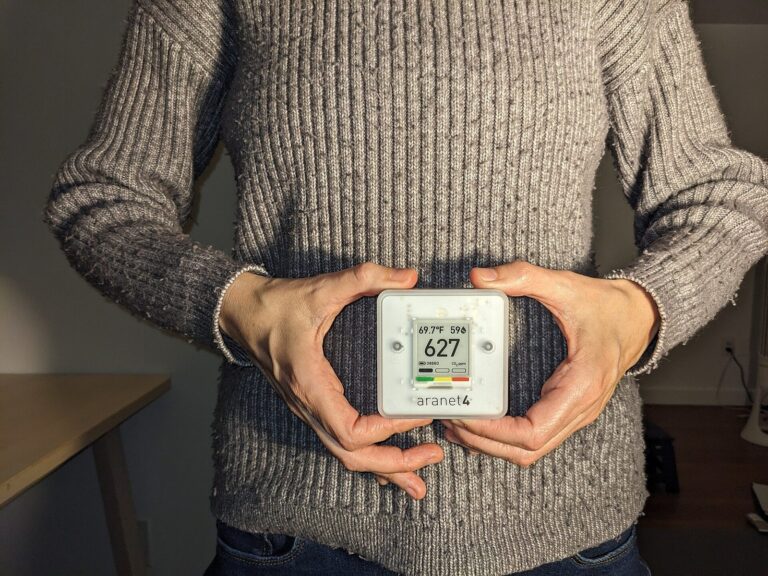
Dry skin or a stuffy nose can have other causes, so don’t buy on symptoms alone. A basic digital hygrometer (a small humidity meter, often sold with a thermometer) costs far less than a humidifier. Put it in the bedroom, away from the heater, and read it at night with your usual heater setting for three or four nights.
| Bedroom reading at night | What it means | What to do |
|---|---|---|
| Below about 30–35% | Dry. Common in heated North Indian rooms in December and January | A humidifier will help |
| 30–40% | On the dry side but acceptable | Optional. Worth it if you get nosebleeds, dry eyes or dry skin |
| 30–50% | The comfortable range the EPA recommends | No humidifier needed |
| Above 50–60% | Too damp. Mould and dust mites like it | Ventilate, don’t add mist |
The EPA’s advice is not to humidify above 50%, because higher humidity encourages mould and other biological growth. Its separate mould guidance says keep indoor humidity below 60%, ideally 30 to 50%. A practical stop sign at home is condensation on the window glass in the morning: if you see it, turn the humidifier down.
This is mainly a winter, North India purchase. In coastal cities and during the monsoon the air is already humid.
Cool mist vs warm mist, and the third type
| Type | How it works | Good at | Watch out for |
|---|---|---|---|
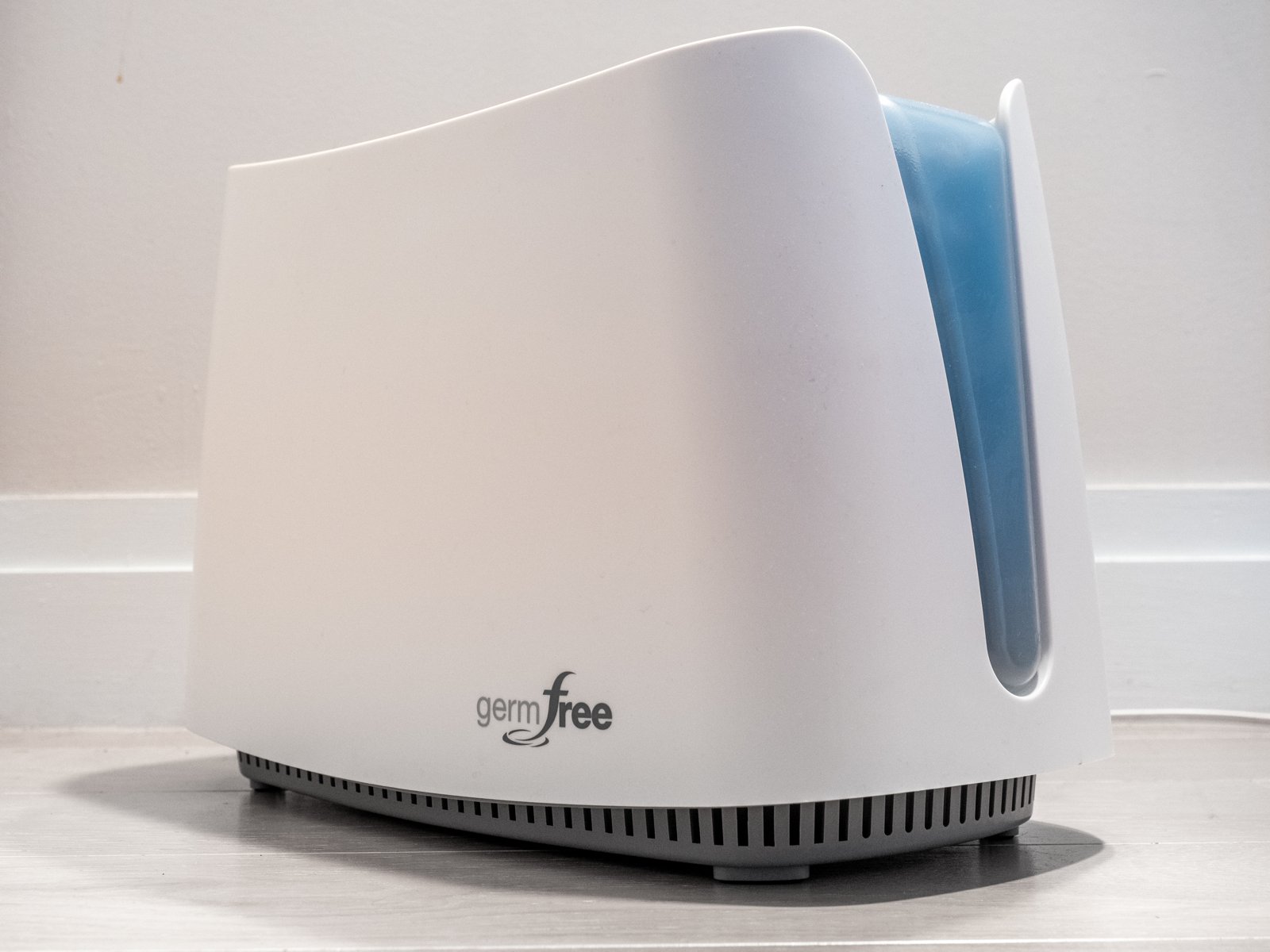
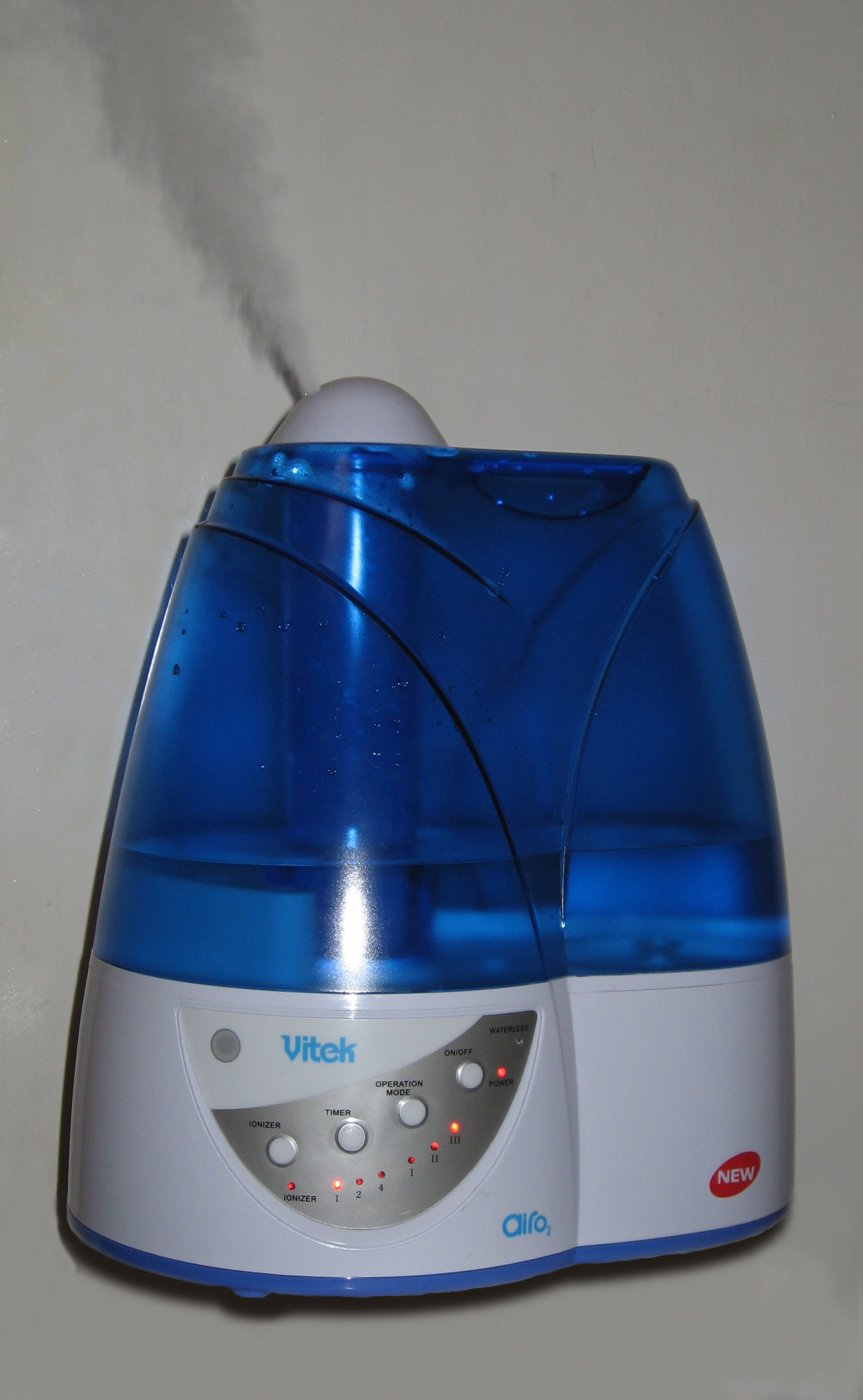
| Ultrasonic (cool mist) | A vibrating plate turns water into a fine mist | Very low power, nearly silent, no hot water, cheapest to buy | Sprays dissolved minerals as “white dust” if you use hard tap water |
| Warm mist (steam) | A heater boils the water and releases steam | Minerals stay in the tank; boiling kills some germs in the water | Burn and scald risk, roughly ten times the electricity, scale on the heater |
| Evaporative (cool mist) | A fan blows air through a wet wick | No white dust, and it slows down naturally as the room gets more humid | Some fan noise, wicks that need replacing, fewer models in India |
Most humidifiers on Amazon and Flipkart are ultrasonic cool mist. In November 2026 brand stores listed far more of them than anything else; warm mist units are hard to find in India, and evaporative ones are only a handful of models.
Which one to pick
- Most bedrooms: ultrasonic cool mist. It’s cheap to run and quiet enough for sleep, and the mist won’t scald anyone. InstaCuppa cites the American Academy of Pediatrics’ view that cool mist is generally the safer choice around young children.
- Hard tap or borewell water, and you won’t use RO or distilled water: evaporative, so you don’t get white dust on furniture and screens.
- Adults-only room, and you want the slight extra warmth: warm mist, if you can find one and accept the bill. The EPA says to keep steam humidifiers out of children’s reach because hot water and steam can burn.
Running a humidifier with a heater on
- Keep them apart. Put the humidifier on the opposite side of the room from the heater, on a raised, waterproof surface about a metre from the bed, walls, curtains and electronics. Point the nozzle into open air, never at the heater, sockets or wooden furniture.
- Use separate sockets. A heater needs its own properly rated socket. Don’t run both from one extension board.
- Don’t chase a number. With the heater on, aim for about 40%, not 60%. Too much mist in a sealed, warm room is how mould starts behind cupboards.
- Don’t aim mist at an air purifier. Wet air going straight into a purifier’s intake isn’t good for its filter. A humidifier also doesn’t clean the air: for smog, you still need a purifier (see our air purifier buying guide, and our guide to when to replace the purifier filter).
Size, power and price in India
Tank size and output
You want a tank that lasts the whole night. RichDeals suggests about 1.5 to 2.5 litres for rooms up to 120 sq ft, 2.5 to 4 litres for a typical 120 to 200 sq ft bedroom, and 4 to 6 litres for 200 to 350 sq ft. Mist output matters too: PakkaPick suggests roughly 150 to 200 ml an hour for rooms up to about 150 sq ft and 200 to 300 ml an hour for 150 to 300 sq ft. Some brands quote coverage in square metres and others in square feet, so check which one you’re reading (1 square metre is about 10.8 sq ft).
Tiny USB humidifiers with 200 to 600 ml tanks are personal desk gadgets. They won’t change the humidity of a whole bedroom.
What it costs to run
An ultrasonic bedroom unit is typically rated around 25 W. Running it 8 hours a night uses about 0.2 units a night, or about 6 units a month, which is roughly ₹48 a month at ₹8 a unit. A warm mist unit around 250 W uses about 2 units a night, close to 60 units or ₹480 a month at the same tariff. Multiply by your own electricity rate from your bill.
What you’ll pay
Brand stores in November 2026 listed the AGARO Verge (2.5 litres, ultrasonic) at ₹1,899 and the AGARO Breeze (2.5 litres, top fill, 200 ml an hour, rated for 25 square metres or 269 sq ft) at ₹2,473, with Amazon showing it at ₹2,249. InstaCuppa’s 4 litre ultrasonic model, rated 25 W and up to 300 sq ft, was ₹2,799 on its own store. InstaCuppa also sells a 3 litre evaporative unit, listed at ₹1,499 by a reseller. So a proper bedroom humidifier costs roughly ₹1,900 to ₹3,000. Prices change daily, so treat these as a guide.
A short buying checklist
- A tank that lasts a full night on your usual setting
- Auto shut-off when the tank runs dry (standard on room units now, but check)
- Top-fill design, which makes daily refilling and cleaning much easier
- Adjustable mist and a 360° nozzle you can point away from walls and furniture
- A sleep mode or an option to switch the light off
- A built-in humidistat (which stops the mist at a set humidity) is useful but rare at this price, so a separate hygrometer does the same job
Skip app control, colour-changing lights and “aroma” features. Never pour essential oils into a tank that isn’t designed for them; if you want scent, pick a model with a separate oil tray.
A dirty humidifier can spray bacteria and mould into the room you sleep in. The EPA’s advice is simple: empty the tank, wipe it dry and refill it every day, and clean the unit every third day. Use water with low mineral content in an ultrasonic unit. Distilled water is best; RO water from a home purifier is a practical alternative (our RO, UV or UF guide explains what your purifier does). If white dust appears on surfaces, your water is too hard for that machine.
FAQ
Should I buy a cool mist or warm mist humidifier?
For most Indian bedrooms, an ultrasonic cool mist humidifier. It uses about 25 W, is nearly silent and has no hot water, so it is generally safer around children. Warm mist suits only an adults-only room where you accept roughly ten times the electricity and a burn risk.
Do I need a humidifier if I use a room heater?
Only if the room is actually dry. Heating lowers relative humidity, so check a hygrometer at night with the heater on for a few nights. Below about 30 to 35% a humidifier helps; between 30 and 50% you don’t need one.
What humidity should a bedroom be in winter?
Between 30 and 50%, as the US EPA recommends. With a heater running, aiming for about 40% is sensible. Don’t go above 50%, and turn the humidifier down if you see condensation on the windows.
Can I use tap water in an ultrasonic humidifier?
It works, but hard tap or borewell water leaves a white mineral dust on surfaces and builds scale in the tank. Distilled or RO water avoids this. If you only have hard water, an evaporative humidifier is a better choice.
How often should I clean a humidifier?
Empty, dry and refill the tank daily, and clean the whole unit every third day, following the EPA’s advice. A dirty tank can spray bacteria and mould into the room.
Bottom line
Buy a cheap hygrometer before you buy a humidifier. If your heated bedroom reads below about 30 to 35% at night, a 2.5 to 4 litre ultrasonic cool mist unit for around ₹1,900 to ₹3,000 will fix it for about ₹50 a month in electricity. Fill it with RO or distilled water, keep it away from the heater, stop at about 40 to 50%, and clean it every third day. Choose warm mist only for an adults-only room, and evaporative if your water is hard.
Photos: ajay_suresh via Flickr / Wikimedia Commons, CC BY 2.0 (featured image); MaxSem, Wikimedia Commons, public domain. Prices were checked on brand stores and retailer listings in November 2026 and will change. Running costs are calculated from rated wattage, not our own measurements. A humidifier can make a dry nose and throat more comfortable, but it doesn’t treat colds or infections.