Fit matters as much as fabric: snug without squeezing, long cuffs, a waistband that stays put. Then layer a sweater and a windproof jacket on top instead of buying the heaviest thermal you can find.
Winter in Delhi, Lucknow, Chandigarh or Jaipur is a particular kind of cold. It rarely gets near freezing in the plains, but it is damp and foggy in the mornings, the houses have no central heating, and you spend long hours sitting still indoors. A good thermal is the cheapest way to deal with that, and also the easiest to get wrong: buy the wrong fabric and you end up clammy at your desk and still cold on the scooter.
This guide works through the four things that decide whether a thermal actually keeps you warm: fabric, weight, fit and how you layer it. Prices were checked on 16 November 2026 and will move during winter sales.
What a thermal actually does
A thermal doesn’t create heat. It does two jobs: it traps a thin layer of warm air against your skin, and it moves sweat away from your skin so you don’t get chilled. That second job is the one people forget. As REI’s layering guide puts it, the base layer’s main purpose is wicking; warmth mostly comes from what you wear over it.
So the right thermal depends less on how cold it is and more on what you’re doing: sitting at a desk, riding a two-wheeler at 7 am, or walking up a hill road in Shimla.
Thermal wear fabrics: which one suits you
Cotton and cotton-rich
Soft, cheap, breathable and familiar. This is what most Indian thermals are, often cotton with a little polyester or viscose and a brushed inside. It is fine for indoor days and short trips out. The catch: cotton soaks up sweat and then feels cold, so it is the wrong pick for a brisk walk or a long sweaty commute.
Polycotton and multi-fibre blends
The everyday default on Indian shelves. Blends keep most of cotton’s softness while drying faster and holding shape better after washes. If you want one thermal that does most things, this is it.
Synthetic (polyester, nylon)
Wicks and dries fastest, so it suits commutes, cycling, morning walks and travel. It can hold odour after a long day and some people find it clammy when sitting still in a cold room. Decathlon’s budget base layers are typically polyester.
Wool and merino
The warmest for its thickness, it stays warm even when a little damp and resists odour, so you can wear it for days on a trip. It costs several times more. Choose fine merino if regular wool makes you itch.
Modal, bamboo and viscose blends
Very soft and smooth, good for sensitive skin and for wearing under office clothes. They are less warm than wool and not built for sweaty activity.
Which thermal for which situation
| Your situation | Best fabric | Weight | Why |
|---|---|---|---|
| Working from home or sitting indoors in Delhi, Lucknow or Jaipur | Cotton-rich or blend | Light to mid | Breathes over long hours; you’re not sweating much |
| Two-wheeler commute at dawn | Synthetic or blend, plus a windproof jacket | Mid | Wind chill is the real enemy; the jacket matters more than a heavy thermal |
| Morning walk, gym or cycling | Synthetic | Light | Moves sweat fast so you don’t chill afterwards |
| Hill trip (Shimla, Manali, Mussoorie) | Merino or wool blend, or a mid-weight synthetic | Mid to heavy | Real cold, longer days outside, fewer washes |
| Sleeping in an unheated room | Soft cotton or modal blend | Light | Comfort and breathability under a quilt matter more than raw warmth |
Weight and thickness: heavier isn’t always better
Some brands list fabric weight in GSM (grams per square metre); most Indian listings don’t. When it is shown, a lighter knit suits mild, mostly indoor cold, a mid-weight knit suits a proper North Indian winter with outdoor mornings, and heavyweight is for the hills. Treat these as rough bands, not rules, because a brushed inner face or a wool content changes how warm a fabric feels at the same weight.
Outdoor brands usually just say light, mid or heavy. For the plains, mid-weight is the ceiling for most people. A very heavy thermal under a sweater in a 20°C afternoon is how you end up sweating, then cold again by evening.
How thermal wear should fit
- Snug, not tight. It should touch your skin all over without leaving marks. Loose thermals let warm air escape; very tight ones are uncomfortable all day.
- Long enough. The top should cover your lower back when you bend or sit on a bike, and the cuffs should reach your wrists. A gap at the waist is where the cold gets in.
- Flat or seamless seams. Raised seams rub under a backpack strap or jacket.
- Some stretch. A little elastane keeps the fit after washes.
- A waistband that stays put on the bottoms, wide enough not to dig in when you sit cross-legged.
Sizes vary a lot between brands, so check the brand’s size chart rather than assuming your usual size, and keep the return window in mind when ordering online.
Layering for a North Indian winter
The simple three-layer system works in the plains too:
- Base: the thermal, next to skin.
- Middle: a sweater, fleece or sweatshirt that traps warmth.
- Outer: a windproof jacket for commutes and evenings, roomy enough not to squash the layers under it.
Inside an unheated home, a thermal and a sweater are often enough; add the jacket when you step out. On a two-wheeler, the outer layer does most of the work, so a decent windproof jacket and gloves beat a thicker thermal.
In Jaipur, days can be warm and nights cold, so a light thermal plus a removable layer beats a heavy set. Our Jaipur in winter 2-day plan has the full packing list for that swing. For hill trips, add thermals to the practical carry-on packing list and pack a spare pair.
Wearing a thermal at night can also mean you need less room heating. If you’re weighing that up, see electric blanket vs room heater and our room heater guide.
What thermal wear costs in India (November 2026)
| Example | What it is | Price seen |
|---|---|---|
| Lux Cottswool set (top and bottom) | Cotton thermal set | About ₹650 to ₹930 on Amazon.in, depending on variant |
| Jockey 2401 full-sleeve top | Cotton-rich blend (cotton, viscose, polyester), brushed inside | About ₹739 to ₹779 on Amazon.in |
| Decathlon BL100 top or bottom | Synthetic base layer | ₹499 each (MRP ₹999) |
| Decathlon BL500 top | Warmer synthetic base layer | ₹999 (MRP ₹2,199) |
| Decathlon BL100 wool top | Wool base layer | ₹1,299 (MRP ₹2,299) |
| Uniqlo Heattech Ultra Warm top | Brushed synthetic blend, thickest Heattech | ₹2,490 per piece |
For most people in the plains, ₹500 to ₹1,000 per piece buys a perfectly good thermal. Spend more only for wool or merino if you travel to the hills or feel the cold badly.
Watch out for discount badges and “warm technology” names
Many listings show “up to 80% off” against an inflated MRP, and a deep discount on a listing with few or no ratings deserves extra caution. Compare the actual selling price and read recent reviews about fit and pilling. Names like StayWarm or Heat-Tech are marketing labels; the fabric composition on the label tells you more than the badge.
Buying checklist
- Fabric blend on the label matches how you’ll use it (indoor, commute, hills).
- Weight or GSM if listed; mid-weight is plenty for the plains.
- Flat seams, long cuffs and a top long enough to stay tucked in.
- Colour: skin-tone or white under light office shirts; dark for travel.
- Set or separates: buy separates if your top and bottom sizes differ.
- Neck: V-neck or low round neck if it goes under a collared shirt.
- Size chart checked, and a return or exchange window.
Thermal wear FAQ
Can I wear thermal wear all day indoors?
Yes, and in North Indian homes without heating many people do. Pick a breathable cotton-rich or blended thermal for indoor days; a pure synthetic one can feel clammy after a few hours sitting still.
Is cotton or wool thermal wear warmer?
Wool is warmer for the same thickness and keeps insulating when slightly damp, while cotton loses warmth once it holds sweat. For relaxed indoor and city use, a cotton-rich blend is warm enough and much cheaper.
Should thermal wear be tight or loose?
Snug against the skin without squeezing. Too loose and warm air escapes at the hem and cuffs; too tight and it restricts blood flow and feels uncomfortable over a long day.
Will thermals show under an office shirt?
Choose a skin-tone or white thermal under light shirts, a V-neck or low round neck so the collar doesn’t peek out, and a thin, smooth knit rather than a brushed, bulky one.
How do I wash thermal wear so it lasts?
Wash inside out in cold or lukewarm water on a gentle cycle, skip bleach and fabric softener, and dry it flat or on a line in the shade. Hot water and hard wringing are what make thermals lose their shape.
Bottom line
Match the fabric to your day first: cotton-rich or blended for indoor life, synthetic for active commutes, wool for the hills. Buy it snug with long cuffs, layer a sweater and a windproof jacket on top, and you’ll stay warm through a North Indian winter without spending more than about ₹1,000 a piece.
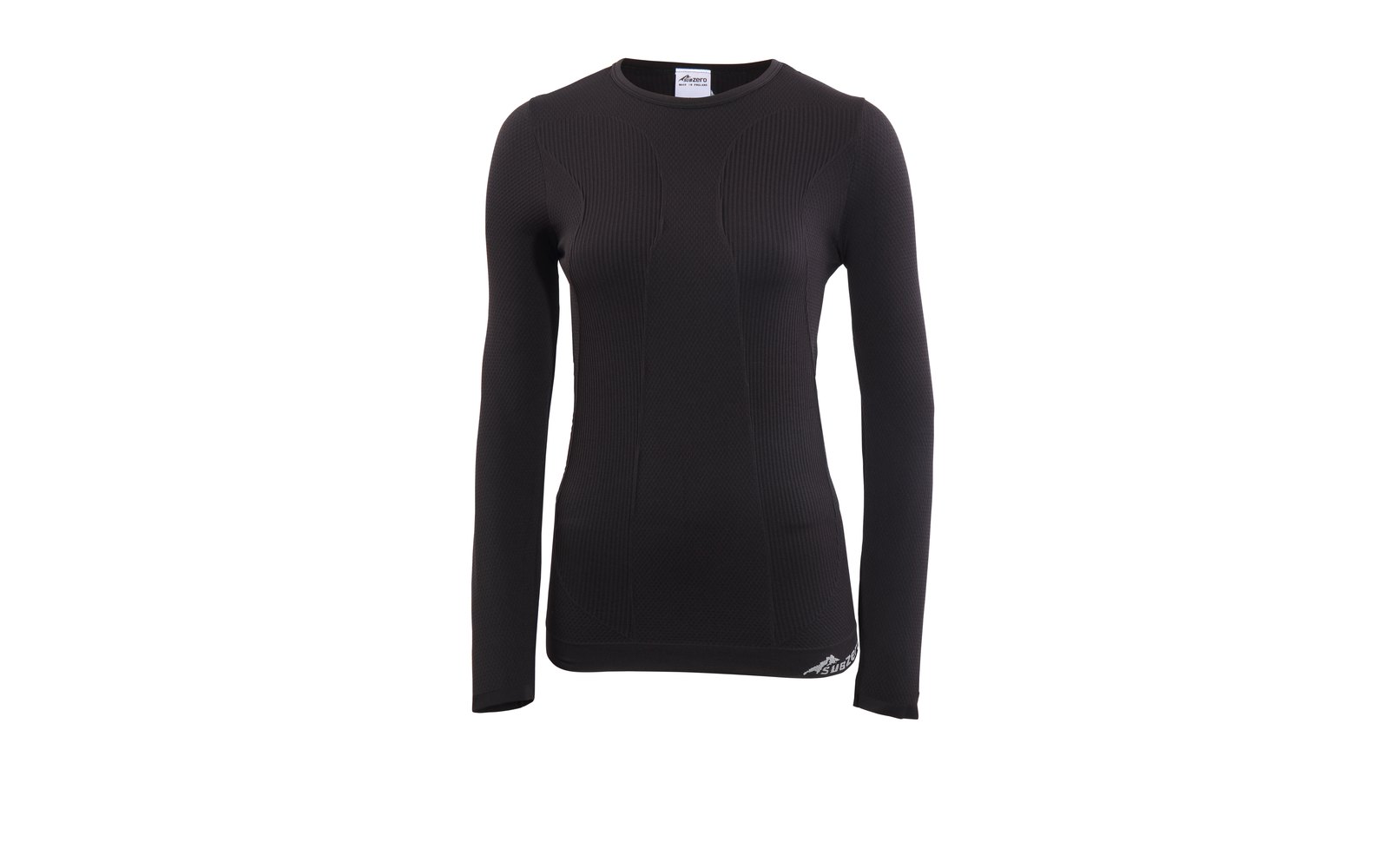
Photo: Sub Zero Technology Ltd, Wikimedia Commons, CC BY 2.0. Prices checked on Amazon.in, Decathlon India and Uniqlo India on 16 November 2026 and will change. Layering advice draws on REI Expert Advice.